Faceless channels in 2026: the anatomy of anonymous channels that actually earn
25 June 2026 · 10 min read · The Clipdify team

Key takeaways
- Faceless works in 2026, but platforms down-rank low-effort synthetic content — editorial value is the moat.
- Watch two numbers: 3-second swipe-away rate (hook problem) and average view percentage (pacing problem).
- Natural regional-language AI voiceovers now separate 'AI channel' from 'narrator I trust'.
Faceless channels have graduated from side-hustle mythology to a legitimate production model. The playbook in 2026 is tighter than the 'AI slop' era: platforms now actively down-rank low-effort synthetic content, which — good news — cleared the field for anyone willing to add real editorial value.
Formats that still work
- Narrated explainers over licensed/gameplay b-roll — finance, history, tech teardowns.
- Story formats: Reddit-style narration with kinetic captions and scene-matched backgrounds.
- Data stories: rankings, comparisons, 'what happens if…' visualised simply.
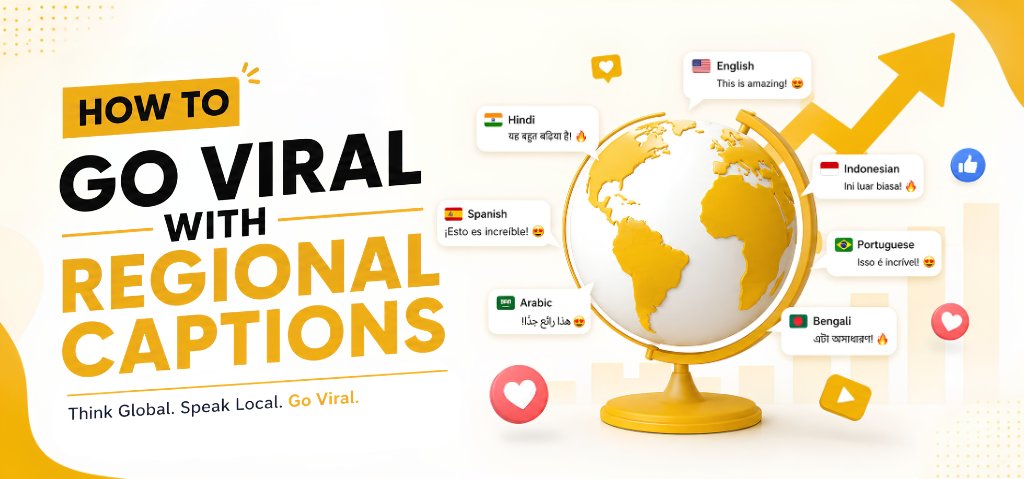
- Regional remixes: proven English formats re-made in Hindi, Bengali, Tamil, Arabic — usually with a fraction of the competition.
The voiceover bar has risen
Robotic TTS is a down-rank signal now. Use natural AI voiceovers with real prosody — and in regional languages, accent quality matters more than in English. A warm Hindi or Gulf-Arabic AI voice is the difference between 'AI channel' and 'narrator I trust'.
Read analytics like an operator
Faceless channels live and die on two numbers: swipe-away rate in the first 3 seconds (your hook and caption problem) and average-view-percentage (your pacing problem). Views are a lagging vanity number; those two are the levers. Check them per-clip weekly, kill losing formats fast, and double down on outliers.
The mistakes that kill channels
- 1Reusing the exact same b-roll library until the channel looks like everyone else's.
- 2Posting bursts of 10 videos then going silent — pacing beats bingeing.
- 3Skipping captions because 'there's a voiceover' — silent autoplay doesn't care about your voiceover.
Anonymous doesn't mean effortless. The winning faceless channels of 2026 are small editorial operations — one operator, a repeatable pipeline, and ruthless attention to the two numbers that matter.
Choosing a niche like an operator
The niche decision outweighs every production decision, and it reduces to three filters: sustainable interest (can you produce 100 videos here without hating it?), monetizable audience (does this topic attract viewers advertisers pay for — finance, software, B2B?), and source-material depth (is there enough public information to script from indefinitely?). Score candidate niches 1–5 on each filter and multiply. Anything under 27 will stall by video forty.
The production pipeline, step by step
- 1Script from an outline, not a blank page — 150–180 words per minute of final video.
- 2Generate the voiceover in a natural regional voice and listen to the whole thing once; re-generate flat sentences individually.
- 3Assemble visuals against the voiceover: b-roll, motion graphics, screenshots — something new on screen at least every 6 seconds for faceless content (the 10-second talking-head rule tightens when there's no face to watch).
- 4Caption everything, full-length, in the audience's script.
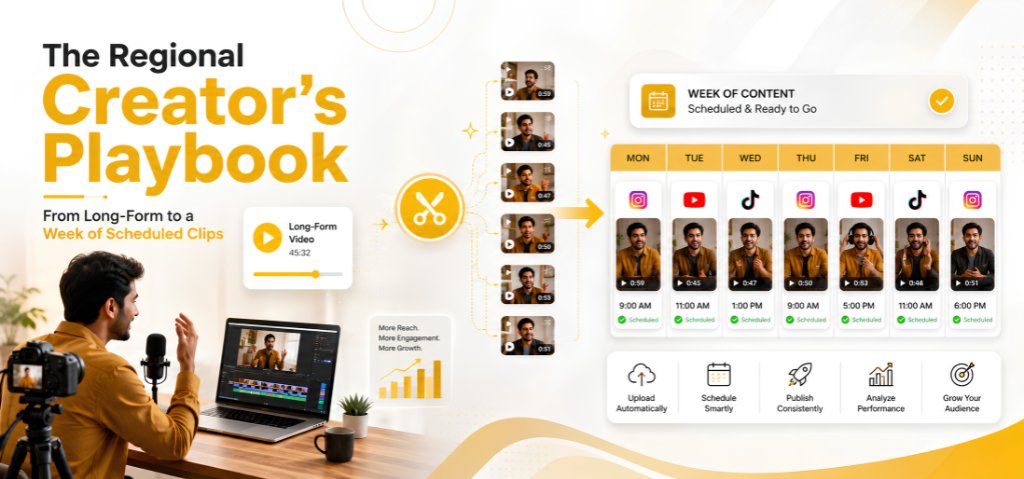
- 5Cut the vertical clips from the long-form master, then schedule the week.
Monetization math that keeps you honest
Work backwards from revenue per mille. A finance channel earning an $8 RPM needs 125,000 monthly views for $1,000; an entertainment channel at $0.80 needs 1.25 million. Same effort, 10x different targets — this is why the niche filters above weight monetizable audiences so heavily. Layer affiliate placements once views stabilize: for tool-adjacent niches, a single well-matched affiliate link routinely out-earns the ad revenue on the same video.
When to systematize vs. when to stay scrappy
Before 10K subscribers, keep the pipeline manual enough to change weekly — you're still searching for format-market fit, and premature automation locks in mediocrity. After the format stabilizes, automate ruthlessly: templates for scripts, saved caption presets, a standing publishing queue. The operators running five faceless channels aren't working five times harder; they froze what works and automated the repetition.
Frequently asked questions
Are faceless YouTube channels still profitable in 2026?
Yes, for operators who add real editorial value — narrated explainers, story formats, data stories, and regional remixes of proven formats. Pure 'AI slop' channels get down-ranked.
Which analytics matter most for a faceless channel?
Swipe-away rate in the first 3 seconds (your hook and caption) and average view percentage (your pacing). Views are a lagging vanity metric.
What kills faceless channels fastest?
Reused b-roll that makes the channel generic, burst-posting followed by silence, and skipping captions because 'there's a voiceover' — silent autoplay ignores your voiceover.